Barrister Jonathan Caplan Says UFO Cover-Up Hides Prosecu...
6 hours ago • 16 views

British researcher Steve Aspin presents implants and family-linked abduction theories, while a barrister, Falcon Lake and Nuremberg raise the same question: ...
British abduction researcher Steve Aspin has been making the rounds with a set of claims that go beyond the usual personal-testimony format: physical evidence, alleged implants, and a theory of intergenerational encounters tied to hybrid programs. In one recent presentation he laid out that material directly, and in a separate interview with Jesse Michels on American Alchemist he discussed familial abduction patterns and an unexplained experience involving his late father. The claims are striking. What they also do is bring an old question back to the surface: what kind of evidence can this field actually put forward, and who is in a position to test it?
According to the coverage, Aspin's central idea is that abduction experiences are not isolated events but can run through families across generations. He pairs that with discussion of implants and of hybrid programs, which are long-standing but unproven themes in abduction literature. The interview with Michels adds a personal dimension, touching on an experience connected to Aspin's deceased father.
It is important to be clear about what the material does and does not establish. The reports describe Aspin presenting evidence and theories; they do not describe independent laboratory verification of any object or any peer-reviewed conclusion. The familial pattern is an assertion drawn from the cases he has encountered, not a demonstrated statistical finding. Readers should treat it as a hypothesis worth scrutiny, not a settled result.
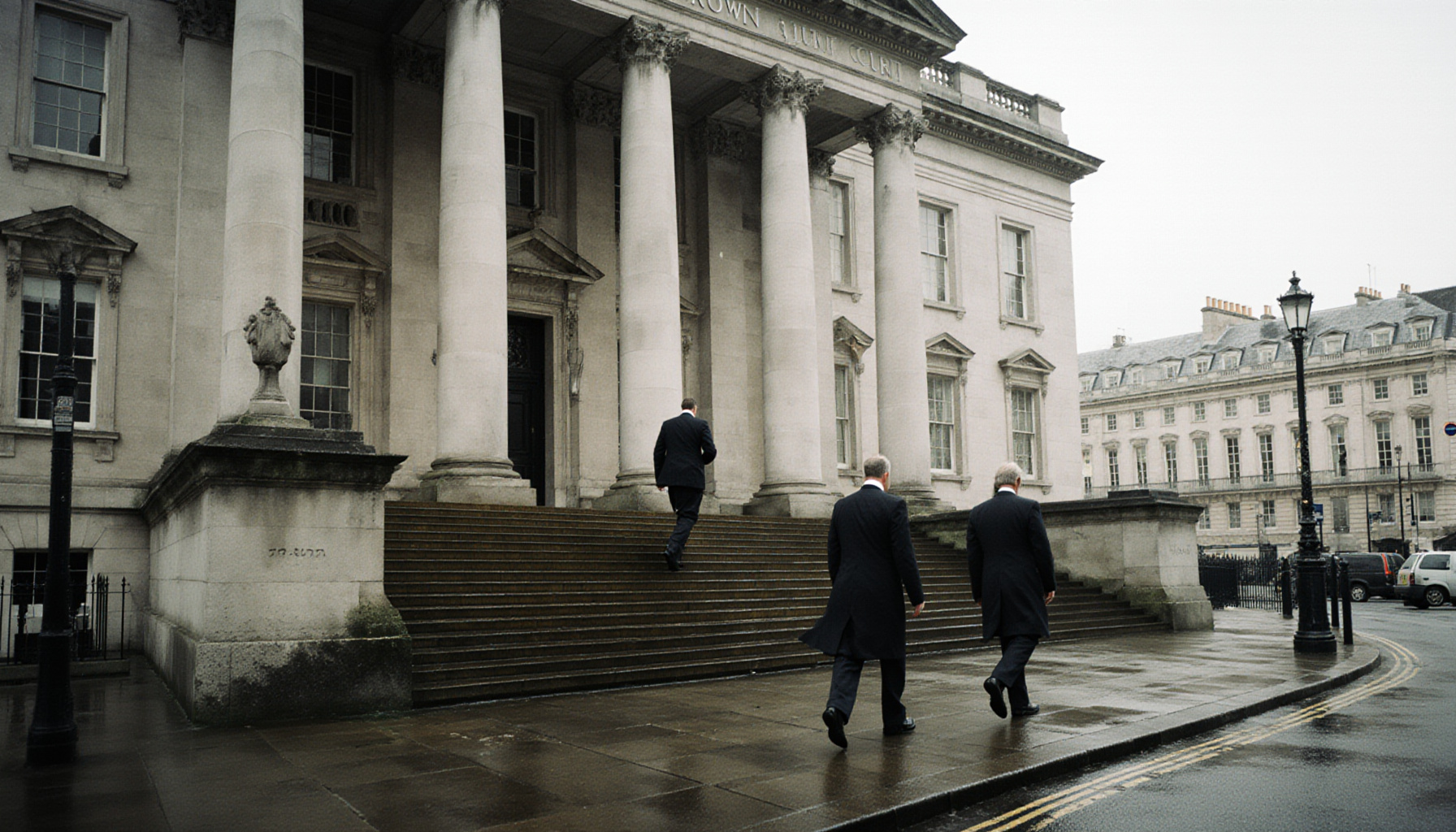
A very different voice in the same ecosystem is British barrister Jonathan Caplan, who argues that the UFO cover-up conceals crimes that could be prosecuted in court. He cites alleged craft recoveries and witness intimidation. Caplan's framing matters because it shifts the discussion from belief to burden of proof. In a courtroom, claims about recovered craft or intimidated witnesses would need documents, chain of custody and testimony that can be cross-examined.
That standard is a useful yardstick for Aspin's material too. Physical items said to be implants would face the same questions: where they came from, who handled them, and what independent analysis shows. The reporting does not say that such testing has taken place, and we should not assume it has.
Two historical items show how this debate has long played out. The Falcon Lake incident involved Stefan Michalak, whose close encounter with a landed craft left documented burn injuries and physical effects that researchers have studied. It remains a frequently cited example because the claimed encounter produced bodily evidence that could be examined by others, not just a story.
Then there is the 1561 Nuremberg sky event. On April 14 of that year, residents reportedly saw aerial objects of various shapes, including spheres and cylinders, moving in erratic, coordinated ways for about an hour. It is a reminder that people have recorded strange aerial phenomena for centuries, though a historical account alone cannot tell us what was actually seen.
Set side by side, these five items form a spectrum of evidentiary weight:
The common thread is not that any of these claims has been proven, but that each invites a test the field has yet to fully meet: independent examination of the evidence.
For readers, the sensible approach is curiosity with discipline. Aspin's presentation is worth following, particularly if the physical items he discusses are made available for open analysis. Until then, the claims sit alongside Falcon Lake and Nuremberg as compelling accounts, not conclusions.
Originally published by
Editorial Desk
Article ID
#2369
Join the discussion about this UFO/UAP story!
6 hours ago • 16 views
1 day ago • 42 views
1 day ago • 48 views

2 days ago • 39 views
Loading comments...
No comments yet. Be the first to share your thoughts!