
Barrister Jonathan Caplan Details Alleged Royal Family UF...
6 hours ago • 8 views
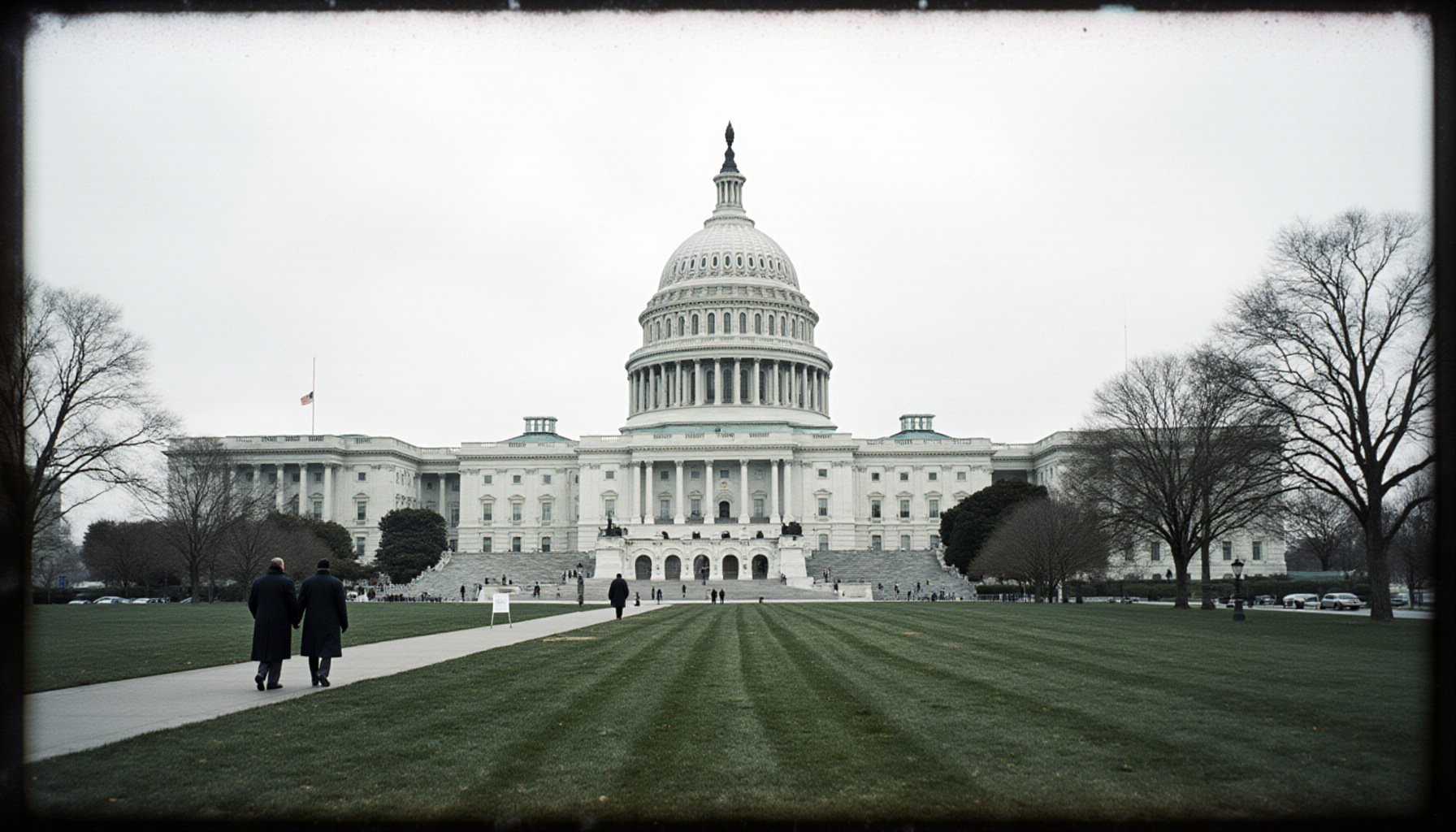
Trump says he will investigate an alleged secret UFO program after discussing pilot encounters. Here is what the pledge does and doesn't establish, and how i...
Donald Trump has committed to investigating an alleged secret UFO program, according to a video report describing his remarks. The report says the pledge followed a discussion of pilot encounters with unidentified objects traveling at extraordinary speeds. The summary gives no timeline, mechanism or agency for the investigation, so for now this is a political signal, not a policy.
The reporting contains two elements: a commitment to investigate, and a rationale built on pilot testimony. Pilot accounts have driven most serious public discussion of unidentified anomalous phenomena (UAP) in recent years. They are often the strongest category of evidence because they come from trained observers who describe what they saw and how the objects moved.
The material does not say what Trump means by a "secret program," who would run an inquiry, or whether it would build on existing government efforts. It also doesn't say whether the pilots he discussed were named or what specific incidents were raised. Readers should treat the pledge as a statement of intent until there are specifics, such as an order, a named lead or a request for records.
Any new investigation would arrive in a field that already has an official office. In a separate item, filmmaker James Fox describes visiting a classified Pentagon SCIF (a secure facility for handling sensitive information) and meeting leadership of AARO, the Pentagon's UAP office. By his account, the details remain restricted.
That detail shows the central tension in this debate. Officials can acknowledge a visit or a meeting, and outsiders can describe the experience, but the substance stays behind classification. A presidential pledge to investigate a "secret program" runs straight into that wall. Without declassification or a clear mandate, a new inquiry could struggle to say more than the existing channels have.
The other items in this week's coverage show how broad the conversation has become, and how uneven the evidence is.
These stories sit side by side online, but they are not equal. A president's stated intent to investigate, and a filmmaker's account of meeting AARO leaders, concern real institutions and real access. Royal Family files, Majestic 12 papers, crash-retrieval stories, witness-following phenomena and billionaire speculation are different kinds of claims. Some are historical, some are folkloric and some are guesses about who knows what.
A promise to investigate is only as meaningful as the access, authority and transparency that come with it.
The sensible reading is cautious. Pilot encounters are a credible reason to ask questions, and political attention can matter if it produces records, hearings or declassification. But the reporting so far describes a pledge, not findings. The things to watch are concrete: who would lead any inquiry, what authority they would have, and whether the public gets documents instead of descriptions of restricted rooms.
Originally published by
Editorial Desk
Article ID
#2319
Join the discussion about this UFO/UAP story!
6 hours ago • 8 views

1 day ago • 31 views
1 day ago • 35 views

2 days ago • 37 views
Loading comments...
No comments yet. Be the first to share your thoughts!