Trump Denies Knowing of Secret UFO Program on 60 Minutes ...
7 hours ago • 2 views
A Joe Rogan deep dive on UFO disclosure features David Grusch and political figures, while Trump denies knowing of a secret program and Jake Barber joins a c...
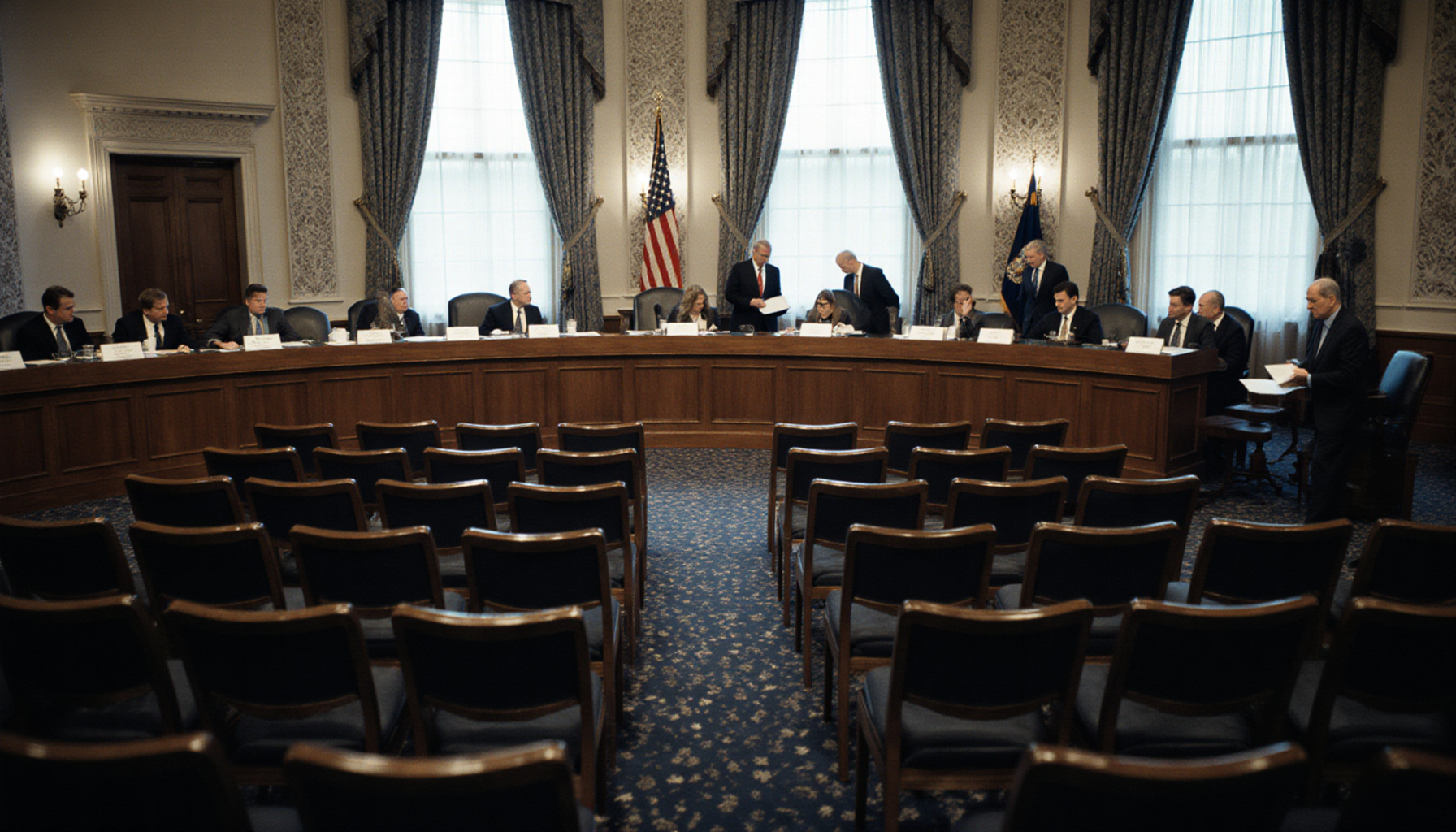
A Joe Rogan episode on UFO disclosure, featuring whistleblower David Grusch, filmmakers and political figures, puts Pentagon secrecy and military encounters in front of one of the largest audiences in podcasting. The timing is notable. Other recent developments show the disclosure debate splitting into separate tracks: popular media, electoral politics and institutional staffing. The summary of the Rogan program is brief, so what follows rests on that description and on the other reports below.
According to the description, the program brings together Grusch, filmmakers and political figures to discuss Pentagon secrets and military encounters. We cannot confirm from the summary alone which specific claims were made or how they were framed. Even so, the format matters. Long-form conversation lets a witness describe what they say they were told, and lets lawmakers and filmmakers add context without the time limits of a hearing or a news segment.
The limits of that format are worth stating plainly. A podcast discussion is not a verification process. Claims aired there remain claims unless they are backed by documents, named sources or testimony that can be checked. Public attention and public evidence are different things.
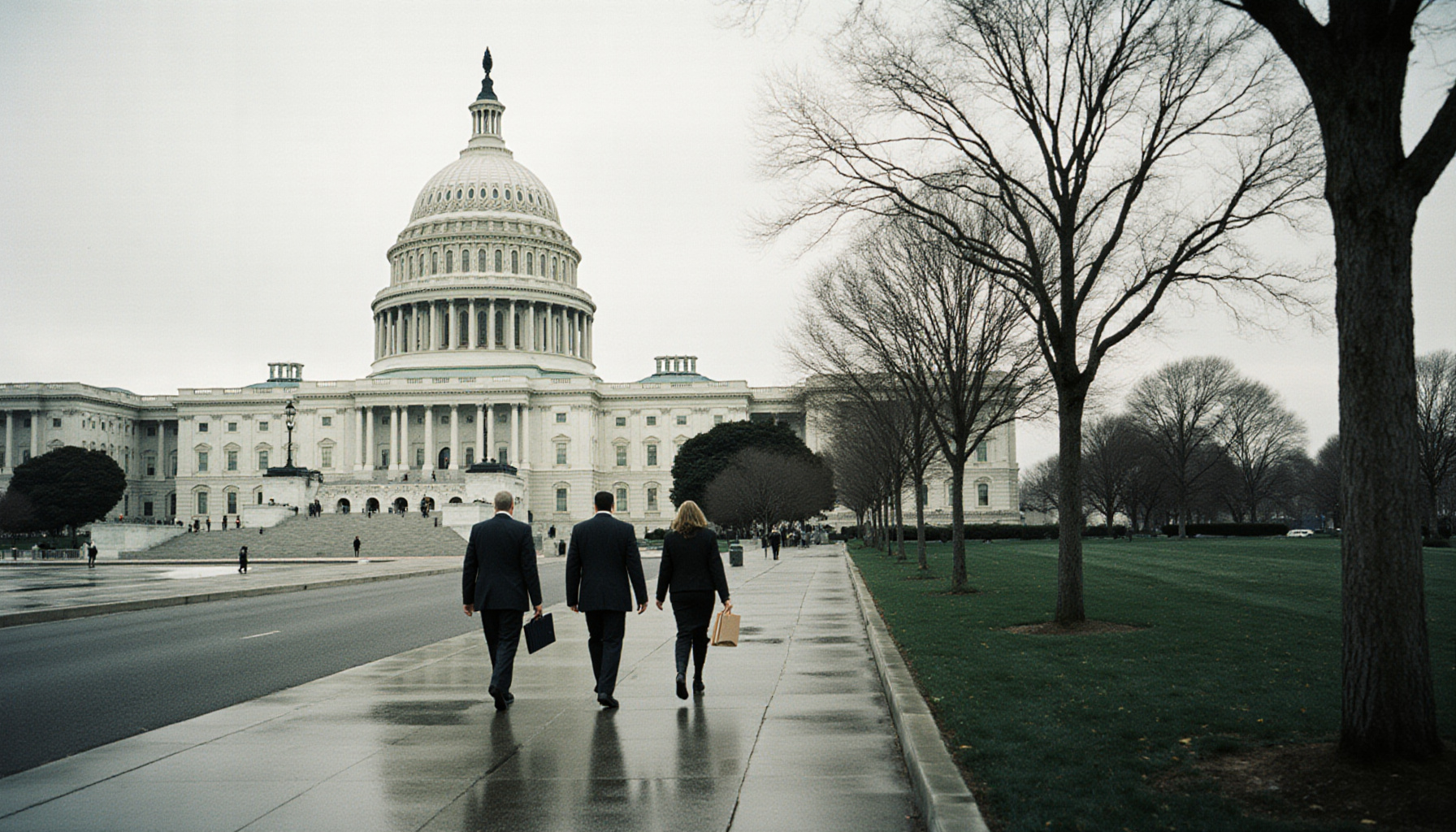
Two other reports show how the political side is playing out. In a 60 Minutes interview, Donald Trump denied knowledge of a secret UFO program. That has fed debate over government UAP transparency. A denial of personal knowledge is a narrow statement. It says what one person claims to know, and it does not settle whether any such program exists or has existed. Advocates and skeptics can both cite it, which is part of why the debate keeps running.
Separately, Jake Barber, a familiar name in UFO discussion circles, has been reported as confirmed as a congressional staffer for Rep. Eric Burlison. The report presents this as a sign of growing institutional focus on UAP transparency and investigation. The practical significance depends on what role Barber actually has and what Burlison's office does with it. Still, a figure from the public UFO conversation working inside a congressional office shows how closely the two worlds now overlap.
Another report looks at the post-election landscape. Congress retains UAP advocates but faces leadership shifts, and new questions are emerging about Russian UFO documents and witness testimony. The summary gives no more detail, so those questions are best treated as open items and not as established findings. The wider point is continuity: the push for answers did not depend on one election result, but who holds committee gavels and leadership posts will affect how far it goes.
The fifth item is smaller in scale but belongs to the same picture. Actor Dave Foley recounted seeing a large orange-gold craft while in the mountains and said the experience changed his perspective. It is a first-person account without corroboration in the material provided, so it is an anecdote and not evidence. It does show why the topic keeps drawing interest. Many people tell personal stories of this kind, and their cumulative weight is part of what drives public pressure on institutions.
The conversation is louder and better connected to Congress than before, but the gap between statements and verifiable evidence is the part still to be closed.
Originally published by
Editorial Desk
Article ID
#2290
Join the discussion about this UFO/UAP story!
7 hours ago • 2 views

1 day ago • 6 views
1 day ago • 9 views
2 days ago • 8 views
Loading comments...
No comments yet. Be the first to share your thoughts!