
Former Defense Minister Hamada Pushes Japan UAP Probe and...
22 hours ago • 4 views
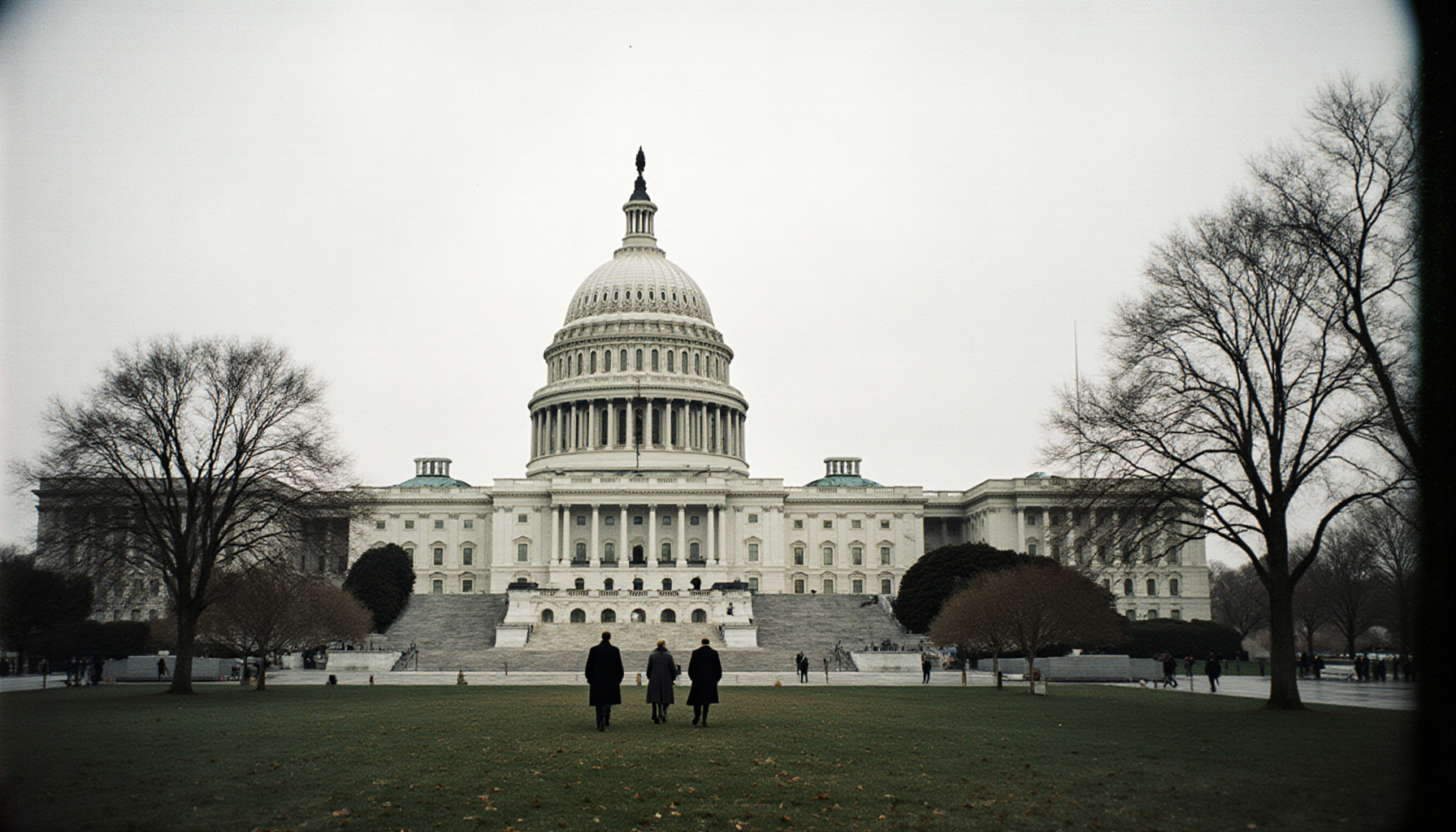
The post‑election House keeps key UAP supporters, but new leadership changes raise fresh questions about Russian UFO files and witness testimony.
The 2022 midterm elections reshaped the U.S. House of Representatives, yet the congressional faction that champions transparency on unidentified aerial phenomena (UAP) remains largely intact. While veteran advocates for disclosure retained their seats, the chamber experienced notable leadership turnover, prompting analysts to ask how these changes will affect ongoing investigations—especially in light of emerging Russian UFO documents and fresh witness testimony.
According to the recent video analysis titled Post‑Election UAP Landscape: New Congress, Old Questions, the post‑election composition of the House still includes members who have consistently pushed for greater UAP oversight. However, the reshuffling of committee chairs and the election of new leadership figures introduced uncertainty about the agenda’s momentum. The report notes that while the core group of UAP supporters remains, the new leadership may prioritize other legislative concerns, potentially slowing the pace of hearings and funding for UAP research.
Key point: The persistence of UAP‑friendly lawmakers suggests that the push for disclosure will not vanish, but the effectiveness of that push now hinges on the willingness of new committee heads to keep the issue on the floor.
Two concurrent developments add complexity to the U.S. congressional environment. First, the same video references newly surfaced Russian documents that allegedly detail UFO encounters. While the authenticity of these files has not been independently verified, their emergence has sparked debate among U.S. officials about whether foreign governments possess data that could illuminate the phenomenon.
Second, a separate video titled Japanese Officials Reveal UAP Investigation at Highest Levels highlights Japan’s own high‑level inquiry into UAPs, including incidents near nuclear facilities. Former Defense Minister Hamada and other officials emphasized the need for transparency, mirroring the U.S. push for open discussion. The Japanese stance underscores a growing global consensus that UAPs merit systematic study, especially when national security or critical infrastructure could be involved.
Beyond legislative chambers, the UAP conversation is gaining traction through a mix of whistleblowers, media personalities, and even actors. In a recent interview, actor Dave Foley recounted a personal sighting of a large orange‑gold craft while hiking in the mountains, describing how the experience altered his perspective on the phenomenon. While anecdotal, Foley’s account contributes to a broader cultural shift where public figures openly discuss encounters without fear of ridicule.
Meanwhile, former whistleblower Jake Barber secured a position as a congressional staffer for Rep. Eric Burlison, as reported in the video UFO Whistleblower Jake Barber Joins Congressional UAP Office. Barber’s move into a formal governmental role signals a tangible institutional commitment to integrating insider knowledge into policy discussions.
Podcasts such as Joe Rogan's UFO Deep Dive further amplify these narratives, featuring whistleblower David Grusch and other experts who argue for the Pentagon’s release of classified information. The convergence of whistleblower testimony, celebrity anecdotes, and formal congressional staffing illustrates a multi‑layered ecosystem that is gradually normalizing the UAP discourse.
In sum, the post‑election congressional environment presents a paradox: the same advocates for UAP transparency remain, yet the shifting leadership hierarchy introduces new variables that could reshape the pace and focus of disclosure efforts. Coupled with international developments and a growing chorus of public voices, the next legislative session will be a critical test of whether the United States can translate longstanding curiosity into concrete, actionable policy.
Originally published by
Editorial Desk
Article ID
#2280
Join the discussion about this UFO/UAP story!
22 hours ago • 4 views

1 day ago • 3 views

1 day ago • 9 views
2 days ago • 19 views
Loading comments...
No comments yet. Be the first to share your thoughts!