Rogan Revisits Grusch and Disclosure as Trump Denies Know...
18 hours ago • 11 views
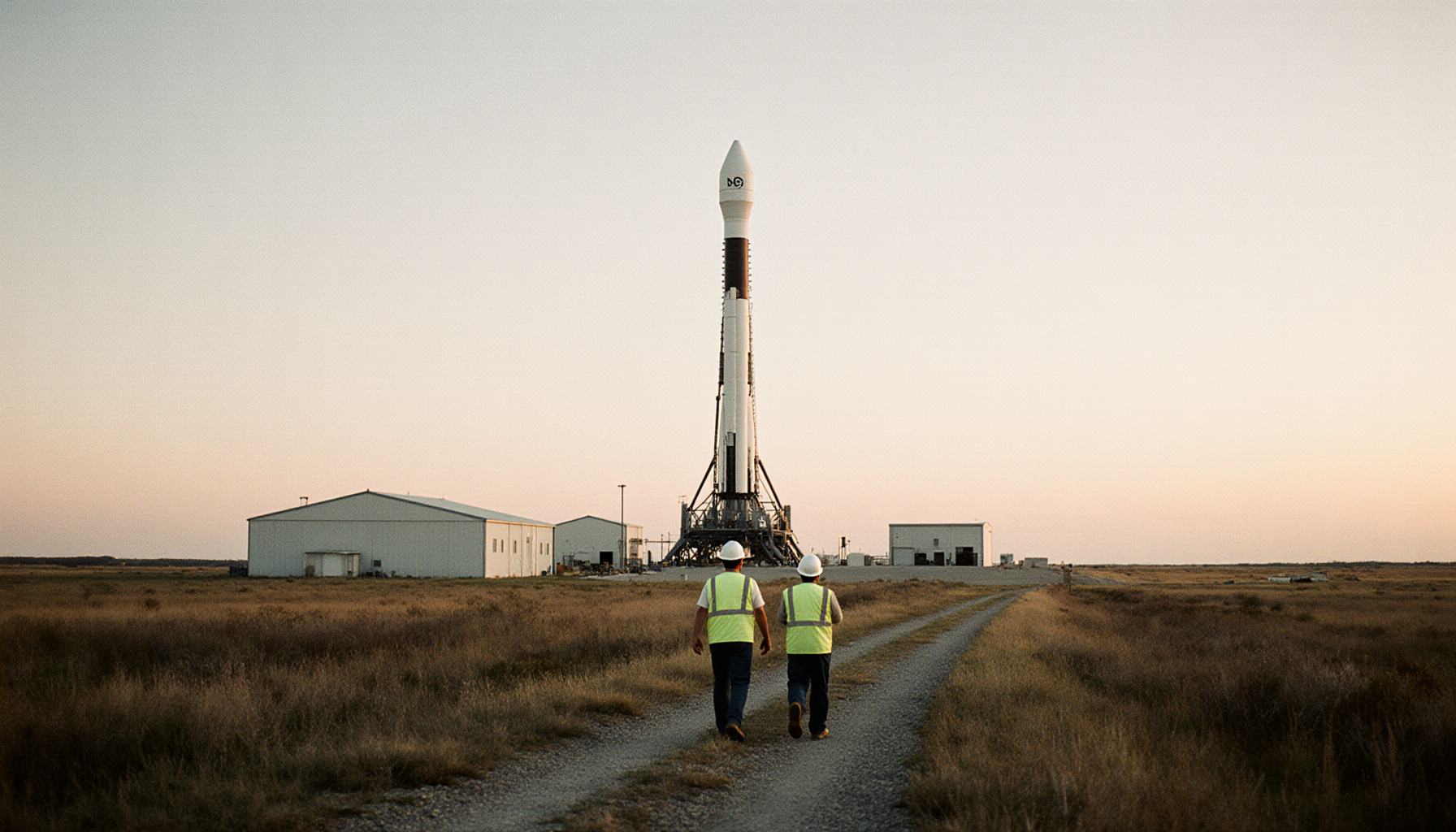
Speculation says Elon Musk may know classified UFO truths via SpaceX contracts. Trump's 60 Minutes remarks suggest access to secrets is rarely so simple.
A recent analysis asks whether SpaceX founder Elon Musk has access to classified UFO information through his government contracts and aerospace connections. It is an appealing question, but it is a hypothesis rather than a finding. The material offers no documented disclosure, statement or leak from Musk. What it does give us is a useful frame: who, exactly, is read in on UAP programs, and who is not?
The reasoning behind the speculation is straightforward. SpaceX works closely with government agencies, and its founder sits at the intersection of aerospace, launch capability and national security work. In the popular imagination, that kind of proximity suggests exposure to compartmentalized information, including anything the government may hold on unidentified anomalous phenomena.
But proximity is not knowledge. Holding contracts is not the same as being briefed on a specific, tightly guarded program, and the analysis, as summarized, examines the possibility without establishing that any such access exists. Readers should treat it as an open question, not a revelation.
Several of the other stories point to a notable counterweight. In a 60 Minutes interview, President Trump said he has seen no evidence of a UFO reverse-engineering program and had not even heard of it. Coverage of the interview framed the remarks as raising fresh questions about government UAP transparency and disclosure efforts.
The remark can be read in more than one way:
None of these can be confirmed from what has been reported. But the exchange matters for the Musk question. If a president says he has not heard of a program, it becomes harder to assume that a private-sector executive would automatically be told about one. It also shows how much of the UAP debate rests on unverifiable claims about who knows what.
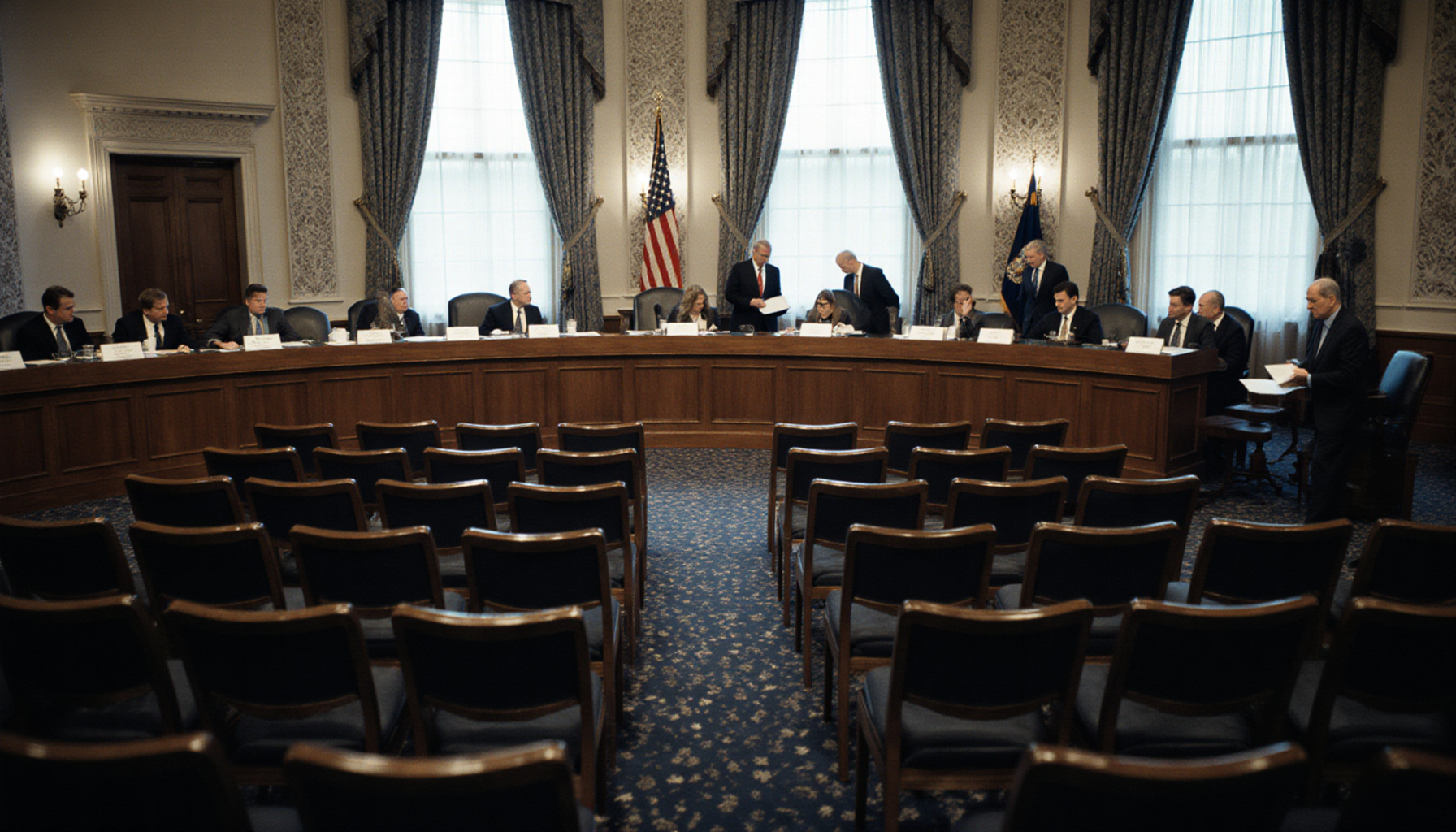
Elsewhere in the coverage, the policy picture is still moving. One post-election analysis notes that the new Congress retains UAP advocates while facing leadership shifts, with new questions emerging about Russian UFO documents and witness testimony. Another discussion covers a Stockholm UAP panel and the Reality Transparency Act, alongside Trump's comments, with Andy McGrillen as a guest. The summaries are brief, so the details of those items are best checked against the original programs.
Taken together, these items show a familiar pattern. Public attention gravitates toward famous names, whether a president or a billionaire, while the more consequential questions sit in legislation, testimony and documents that can actually be examined. A statute, a sworn witness account or an archived record can be tested. A theory about what a powerful person privately knows cannot.
The Musk speculation is a reminder of how disclosure debates drift toward personalities. Without a statement from Musk himself, or a document tying SpaceX to UAP material, the idea remains conjecture. Trump's comments, meanwhile, are a data point about the limits of top-level awareness, not proof of absence.
For readers trying to follow this field carefully, the practical takeaway is to separate three things: what officials have said on the record, what legislation and testimony put forward, and what commentators infer from access and influence. Only the first two are anchored in anything verifiable, and they are where meaningful progress on UAP transparency is more likely to come from.
Originally published by
Editorial Desk
Article ID
#2298
Join the discussion about this UFO/UAP story!
18 hours ago • 11 views
1 day ago • 11 views

1 day ago • 14 views
2 days ago • 16 views
Loading comments...
No comments yet. Be the first to share your thoughts!