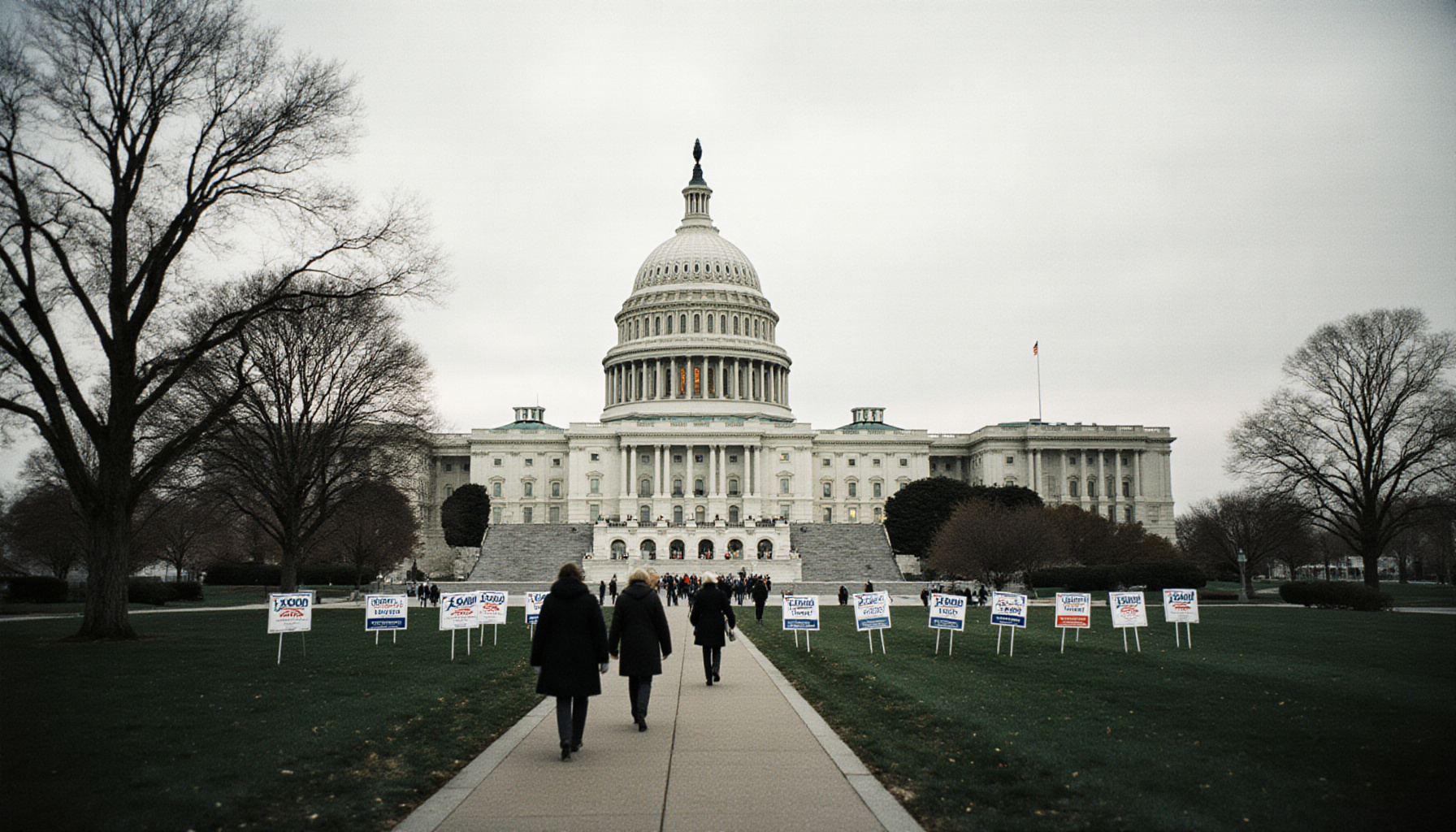
Midterms and UAP Disclosure: What a New Congress Could Ch...
7 hours ago • 6 views
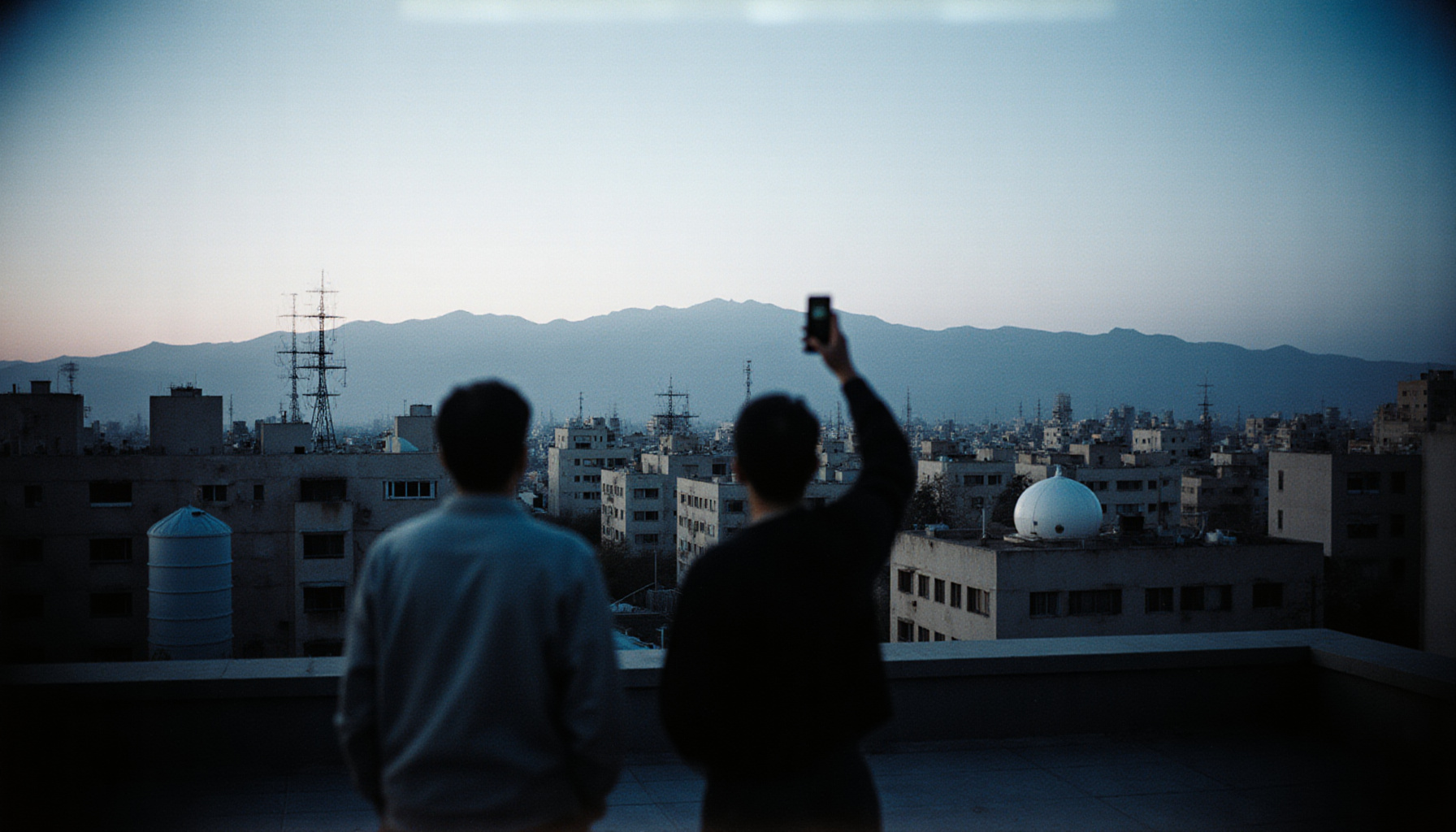
Multiple videos show an unexplained illuminated object over Tehran. Its identity is unclear, and recent UAP discussions show why documentation matters.
An illuminated object over Tehran, Iran, reported on September 20, 2026, is the latest case to circulate online. Multiple videos reportedly show an unexplained aerial phenomenon, and as of the available reporting its identity remains unclear. No official explanation has been cited, and nothing in the material points to a confirmed cause.
That uncertainty is the story. A cluster of videos from one city is more useful than a single clip, but it is not a conclusion. How much weight the Tehran footage deserves depends on the kind of documentation that other recent UAP conversations keep returning to.
Several recordings of the same event help rule out a single-camera artifact, such as a lens reflection or an editing trick. They can also show the object from different angles, which helps with questions of motion, altitude and scale.
But video alone leaves key questions open. Without verified timestamps, camera locations, and sensor data beyond consumer cameras, an unexplained light remains just that. The reporting says only that the footage shows an illuminated object and that nobody has identified it. Until the original files and the filmers' accounts are examined, "unidentified" is the accurate label, and it is not evidence of anything exotic.
The gap between a compelling sighting and a verifiable one is a theme in the discussion of former Navy pilot CDR David Fravor. He has addressed the whereabouts of a radar recording connected to the USS Nimitz UAP encounter and questions about its documentation. Whatever one makes of the case, the debate shows that testimony is strongest when it is backed by preserved, accessible data. When a key record cannot be located, even a well-known incident leaves room for dispute.
For a new case like Tehran, the lesson is practical. Videos, metadata and any independent sensor records should be preserved and shared early, because the chance to do so can disappear.
Ralph Blumenthal's account of how the 2017 New York Times Pentagon UFO story came together stresses timing, sources and reporting relationships. It is a reminder that a sighting becomes widely credible through the people and institutions that vet it, as well as through the footage itself. A viral video and a vetted report are different things.
Politics shapes that pipeline too. Commentary from Dolan on how the midterm elections might affect government UAP transparency points to legislative hurdles and political dynamics that influence how much official data is ever made public. If governments release little, cases like Tehran will be judged mostly on civilian footage, which is harder to authenticate.
An Australian farmer's account adds another angle. He reportedly watched an unusual object depart and later found a 30-foot circle of woven, flattened reeds in a lagoon. Here a witness account is paired with a physical trace that can be inspected. A trace does not prove the cause, but it gives investigators something concrete to examine, which a light in the sky does not.
For now, the Tehran object is an open case with multiple videos and no explanation. The other stories in this week's coverage suggest that the strength of a report depends on the records, witnesses and institutions behind it as much as on what the footage shows.
Originally published by
Editorial Desk
Article ID
#2248
Join the discussion about this UFO/UAP story!
7 hours ago • 6 views
1 day ago • 22 views
1 day ago • 17 views
2 days ago • 38 views
Loading comments...
No comments yet. Be the first to share your thoughts!