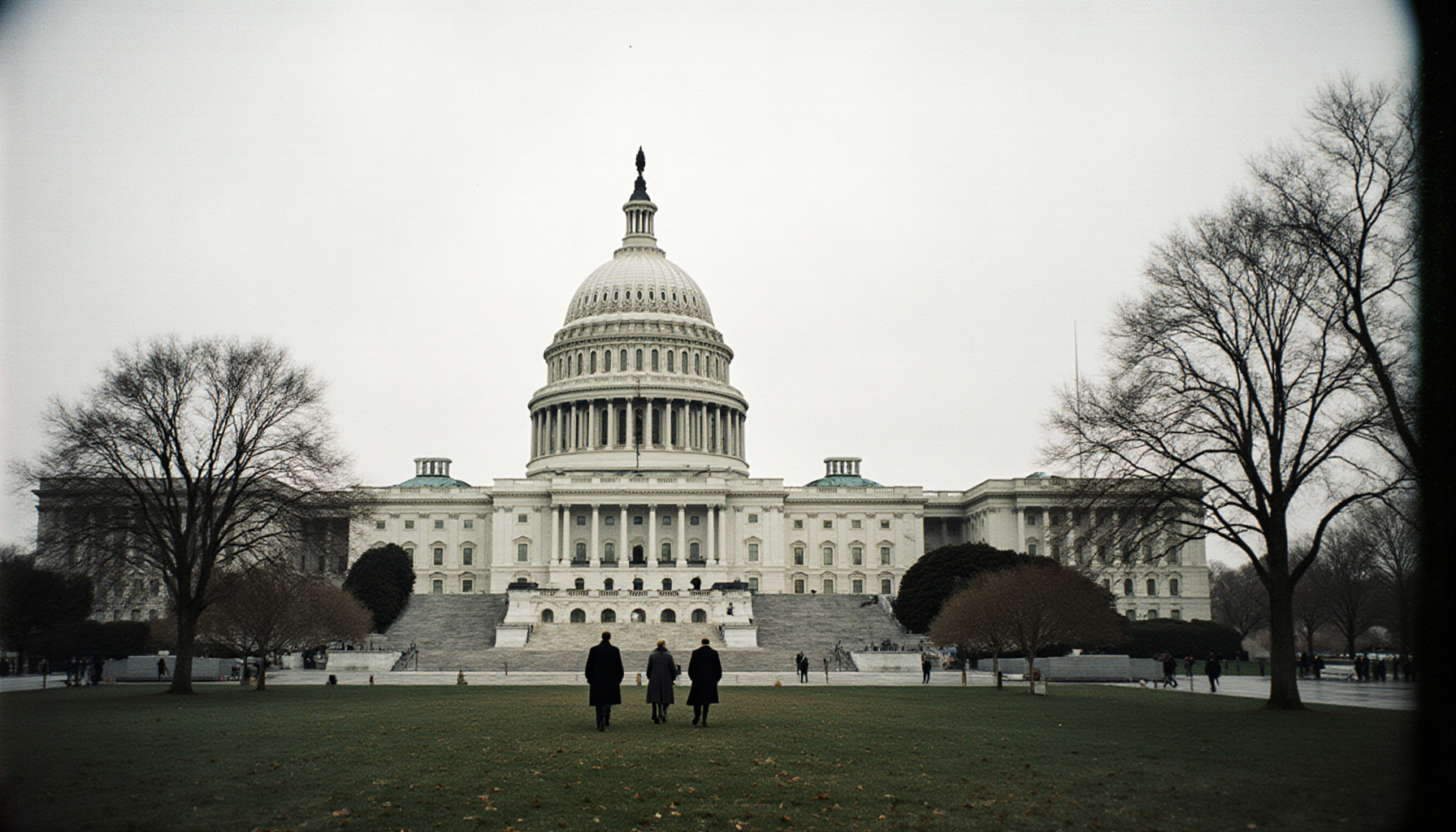
New Congress Retains UAP Advocates While Facing Leadershi...
6 hours ago • 4 views

Actor Dave Foley describes a large orange-gold craft seen in the mountains, as Congress, Japan and the podcast circuit keep UAP disclosure in view.
Actor Dave Foley has described a personal UFO sighting: a large, orange-gold craft he says he saw while in the mountains, an experience he says changed his perspective. The account is anecdotal and, on its own, can't be independently verified. It still matters as a data point in how UAP testimony is moving from the fringe into mainstream conversation, at the same moment several institutional developments are pulling in the same direction.
According to the reporting, Foley recounts witnessing a large craft with an orange-gold appearance, and he talks less about hardware than about the effect on him. That distinction is useful. A single-witness account from a public figure doesn't establish what the object was. It does illustrate a pattern: people who describe a sighting often say its lasting impact was a shift in how they think about the subject, not a neat answer about what they saw.
Nothing in the material identifies a date, a precise location, corroborating witnesses or sensor data. Those are the details an investigator would want, and their absence means the account is best read as testimony, not evidence.
Foley's story lands amid several developments that show how the topic is being handled in formal settings:
Taken together, these items show two tracks running in parallel. One is personal testimony, like Foley's, which shapes public attitudes. The other is policy and oversight: congressional offices, defense officials abroad and ongoing questions about documents and witnesses. Each track tends to reinforce the other. Prominent people willing to describe what they saw make the subject easier to discuss, and officials who treat it as a transparency issue give those accounts a place to go.
There are caveats. A staffer joining a congressional office is a personnel change, not a finding. Questions about Russian documents are, per the reporting, still questions. And Japanese officials discussing investigations and nuclear-site incidents signals interest in the topic, not proof of any particular explanation. The summaries available here do not say what conclusions, if any, were reached.
Testimony tells us what people experienced; oversight determines whether anyone is required to find out what it was.
The useful questions are practical. Will leadership changes in Congress alter how UAP oversight is prioritized? Will the questions about Russian documents and witness testimony yield anything specific and reviewable? And will accounts like Foley's, however compelling to the person telling them, ever be paired with records or data that others can examine? Until then, the sighting stays a personal story, and the institutional shifts remain the more consequential thread to follow.
Originally published by
Editorial Desk
Article ID
#2283
Join the discussion about this UFO/UAP story!
6 hours ago • 4 views
1 day ago • 4 views
1 day ago • 3 views

2 days ago • 9 views
Loading comments...
No comments yet. Be the first to share your thoughts!