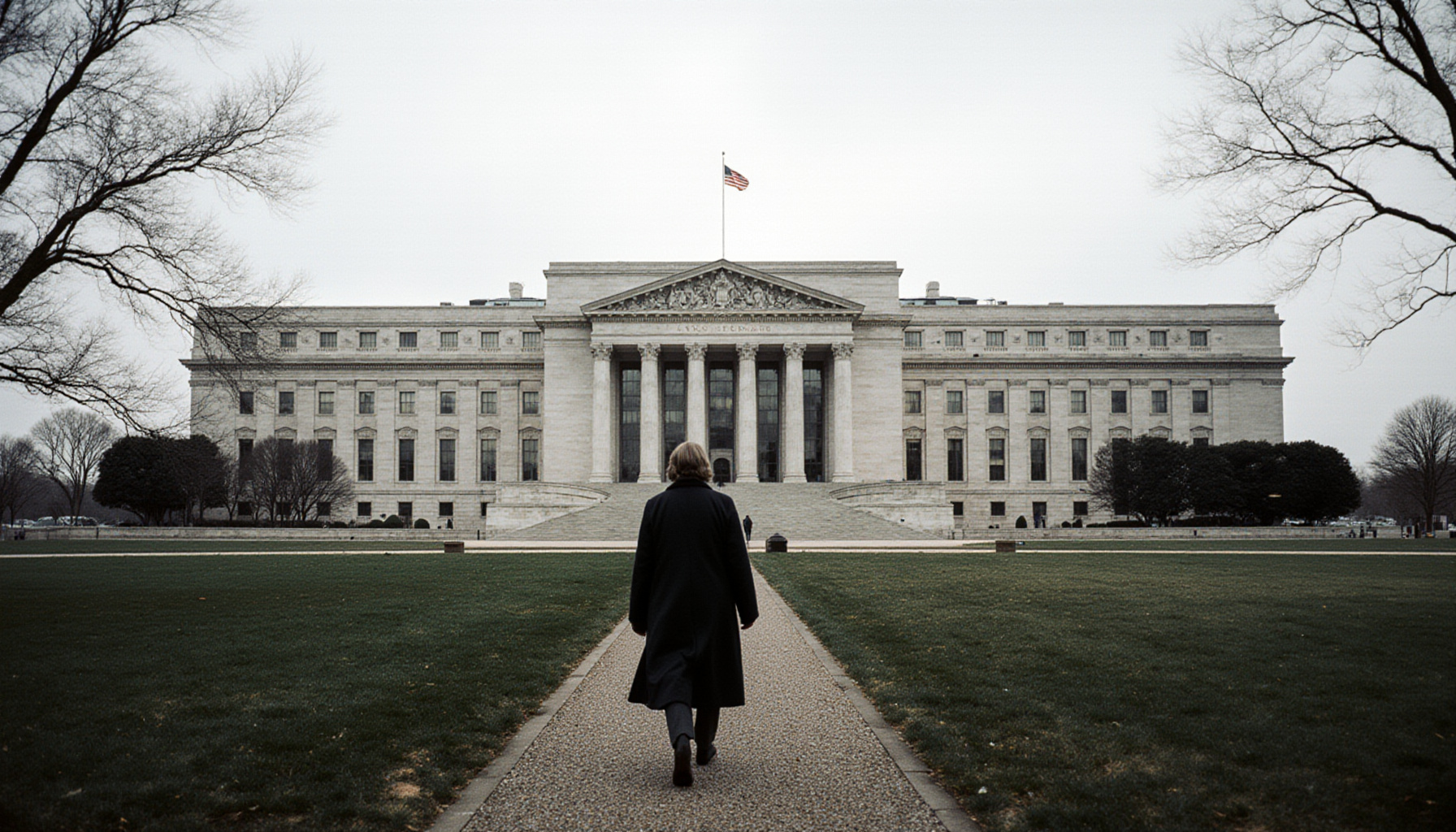
Pentagon's Seventh Batch of UAP Files Lands on WAR.GOV/UF...
6 hours ago • 8 views

A podcast links the Book of Enoch's Watchers to modern UFO encounters, while official releases and insider claims show how many kinds of evidence now share t...
A new podcast episode asks whether the Book of Enoch and its Watchers, the angelic beings of the ancient text, have anything to say about modern UFO encounters. According to its description, the discussion examines the material through both faith and critical analysis. The pairing is old, but it is resurfacing at a moment when official disclosure efforts are generating more primary material than ever.
The episode, as described, treats the Watchers as a possible interpretive bridge between scripture and contemporary reports. That is a theological and cultural exercise, not an evidentiary one. An ancient text can show how people described mysterious beings and aerial phenomena in their own era. It cannot confirm that any modern sighting involves the same thing.
The description's emphasis on critical analysis alongside faith matters here. Readers should separate three questions that often get blended together:
Only the first question has a firm footing in the source material. The others are open to interpretation, and they stay there unless supported by data.
The contrast with current government activity is stark. The Pentagon has released a seventh batch of declassified UAP files through its PURSUE system. The documents are available on WAR.GOV/UFO, with additional releases planned. Whatever one makes of their content, these are primary records that anyone can read and cross-check, a different category from scriptural interpretation or secondhand testimony.
The release cadence is itself a notable development. A rolling, numbered series suggests an ongoing process rather than a single disclosure event. Readers following it should judge each batch on what it contains, not on the surrounding publicity.
Around those releases sits a layer of political and personal narrative. Trump has committed to investigating an alleged secret UFO program, after discussing pilot encounters with unidentified objects traveling at extraordinary speeds. That is a pledge and a characterization of pilot accounts, not a finding.
Filmmaker James Fox has described visiting a classified Pentagon SCIF and meeting AARO leadership, though the details of the visit remain restricted. The restriction limits how much can be learned from it. The account establishes that engagement is occurring between filmmakers and the office, but it offers nothing to evaluate on substance.
British barrister Jonathan Caplan has detailed what he describes as the Royal Family's secret UFO investigations, along with Majestic 12 documents and alleged CIA crash retrievals. These are claims, and the summary offers no independent corroboration. They deserve the same scrutiny as any extraordinary assertion built on documents whose provenance is the main question.
The UFO conversation now draws on at least four tiers of material:
Each has value, but they answer different questions. The risk is that a compelling narrative from one tier is treated as if it carried the authority of another. A podcast linking Enoch to modern encounters can be thought-provoking without bearing on what is in the Pentagon's files. And a government document release does not validate every claim that circulates around it.
For now, the most useful approach is to follow the documents as they come out, treat pledges and testimonies as leads to track, and treat ancient-text comparisons as context. That keeps curiosity open while keeping the evidence honest.
Originally published by
Editorial Desk
Article ID
#2330
Join the discussion about this UFO/UAP story!
6 hours ago • 8 views
1 day ago • 22 views

1 day ago • 31 views

2 days ago • 42 views
Loading comments...
No comments yet. Be the first to share your thoughts!